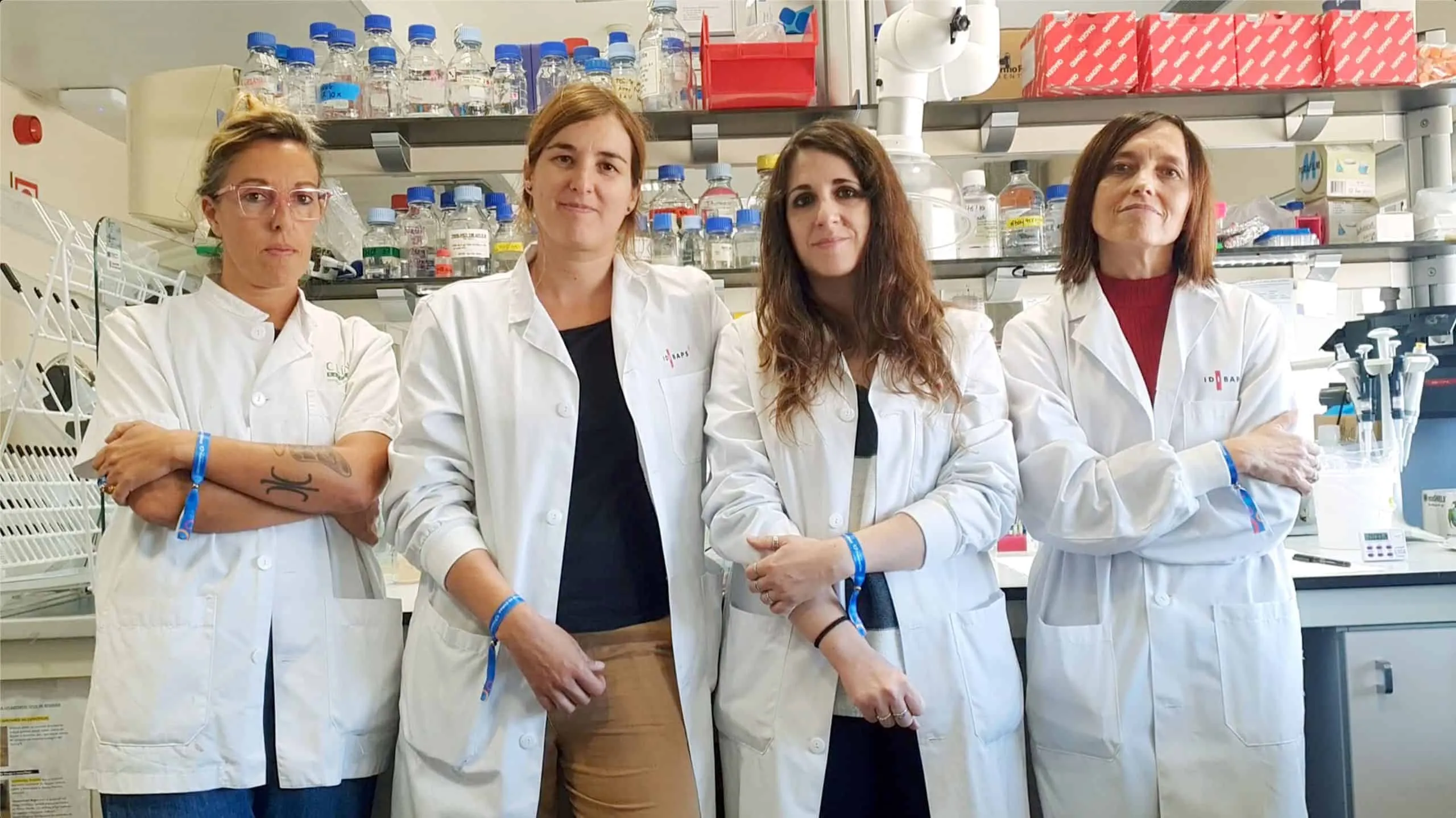

Research co-financed by the DiabetesCERO Foundation managed to generate insulin-producing cells from human skin, with functionality increasingly similar to that of pancreatic beta cells.
According to the Foundation, this is a very relevant advance for people with type 1 diabetes, since this disease is characterized by the loss of the cells responsible for producing insulin, and which can lead to new therapies based on the transplant of the patient's own cells without the need for immunosuppression.
The research is led by Dr. Rosa Gasa at the Institut d'Investigacions Biomèdiques August Pi i Sunyer (IDIBAPS), of the Hospital Clínic of Barcelona, and aims to convert human skin cells into insulin-producing cells through direct reprogramming, avoiding the risk of developing tumors.
In addition, it will allow progress towards a possible functional cure that changes the future of the more than 166 thousand people who suffer from type 1 diabetes in Spain and their families.
Over the past year, the team optimized the protocol for direct reprogramming of human skin cells, overcoming barriers that limited its effectiveness.The application of new strategies made it possible to increase the amount of insulin by the reprogrammed cells and improve the expression of genes involved in its secretion.
As a result, cells with characteristics closer to the beta cells of the pancreas have been obtained.
This line of research, which since 2017 has had the sustained support of the DiabetesCERO Foundation with funding of more than 200 thousand euros, now enters a key phase with the start of transplant studies in animal models.
A necessary step to evaluate the survival of cells, the maintenance of their differentiated state and their future ability to secrete insulin.
Reduces the risks of using stem cells
The project is based on the direct reprogramming of human dermal fibroblasts, easily accessible skin cells, to convert them into insulin-producing cells.This approach avoids going through an intermediate stage of pluripotency and reduces associated risks such as tumor formation, in addition to laying the foundations for therapies from the patient's own cells.
In parallel, the research addresses one of the great challenges of cell therapy: whether the transplant survives.Optimizing these processes is key so that the implanted cells maintain their function over time and can have a real therapeutic impact.
The success of this therapy, according to Gasa, will depend largely on sustained funding: "Research needs time, perseverance and, above all, people and organizations that believe in it even when the results are not yet seen. Sustained support over time, such as that which DiabetesCERO has offered us during these nine years, has helped us maintain a complex line of work and overcome critical stages that can only be addressed with a long-term vision."
Currently, the research team began transplantation studies in animal models to evaluate cell survival, stability, and their ability to secrete insulin.These trials are decisive in confirming the viability of this approach and defining the next steps towards diabetes models, where it will be analyzed whether these cells can contribute to blood glucose control.
The scientific director of the DiabetesCERO Foundation, Francesc Mitjans, pointed out what this line of research means for the entity: "As a foundation, we are proud of the progress made and of having supported a project that combines scientific excellence, biomedical innovation and a clear orientation towards the real needs of people with type 1 diabetes, and of course, our commitment of DiabetesCERO to the research community."