There is news that, when you read it calmly, moves you inside.Not because they talk about miracle cures or immediate solutions, but because they open a new door to better understand what is happening to us.And this study goes right in that direction.
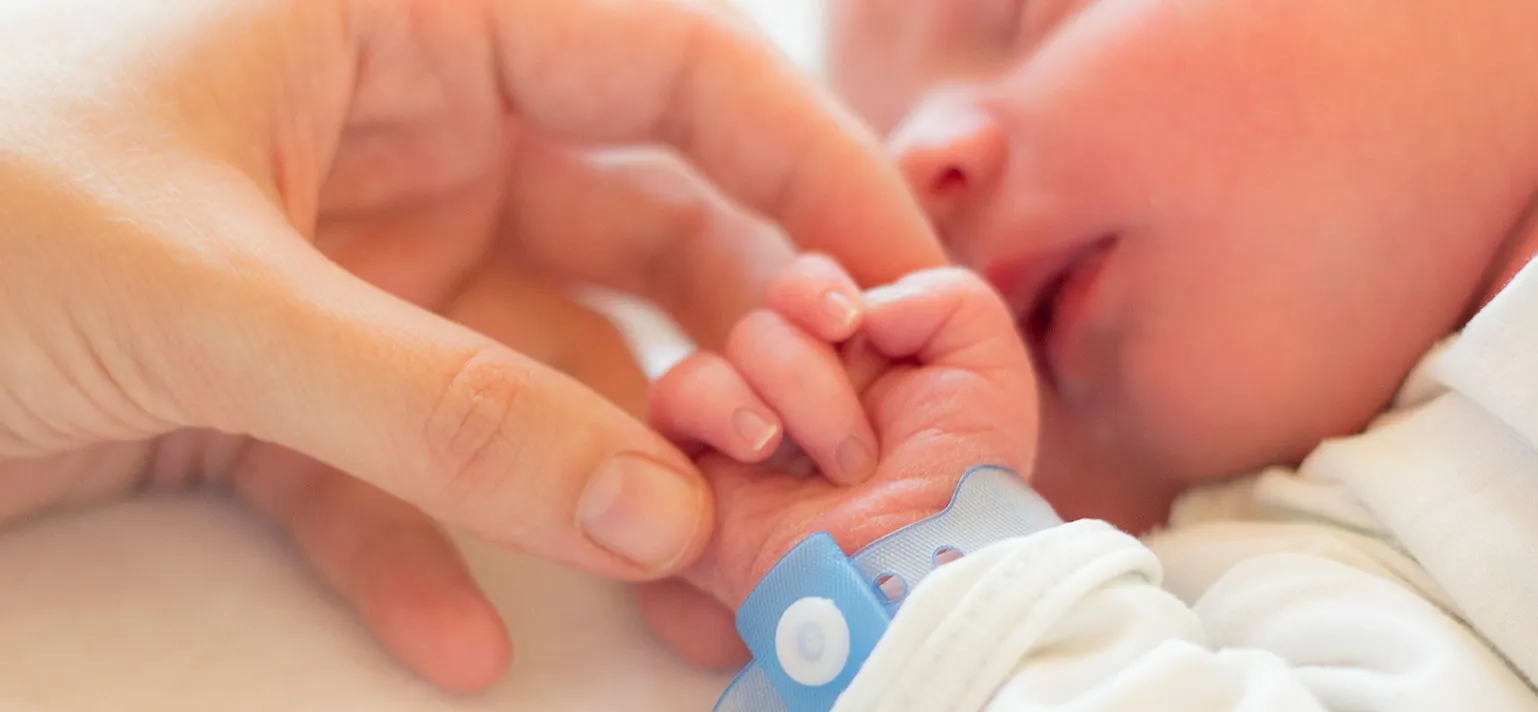
An international team of researchers has discovered that early signs associated with the risk of developing type 1 diabetes in the future can be detected in umbilical cord blood, at the moment of birth.That is, the process that years later ends up affecting the pancreas could even begin during pregnancy.
This is important to clarify well: it does not mean that a baby is “born with diabetes” nor that its destiny is written.The researchers themselves insist that this is not something predetermined.They talk about biology, inflammation, influencing factors... not sentences.And that changes a lot the way we look at the disease.
Until now, the prediction of type 1 diabetes has been based mainly on genetics or the detection of autoantibodies, which usually appear when the disease is already quite advanced.This study proposes something different: looking at a tissue that is normally discarded at birth, umbilical cord blood, and analyzing it with machine learning techniques to identify proteins related to future risk.
The follow-up is impressive: more than 16,000 babies born in Sweden in the late 90s, who continue to be monitored today.Thanks to this long-term work, researchers have seen that some markers present at birth are closely related to the subsequent development of type 1 diabetes. It is even suggested that certain environmental factors during pregnancy, such as exposure to certain persistent chemicals, could influence these markers.
Read from the outside, it may sound very technical.But read from within, from the skin of someone who lives with diabetes or accompanies someone who has it, the message is different.It talks about prevention, anticipation, better understanding the first steps of the disease to be able to act sooner.He says that perhaps, in the future, combining small early changes in environment and lifestyle can reduce the likelihood of type 1 diabetes developing.
And this is where community makes all the sense.Because these advances are not only born from laboratories, but also from years of data, from families involved, from people who agree to participate, share and learn together.Just as we have done on the forum for years.
We continue learning, we continue sharing and, little by little, we continue opening doors that not so long ago seemed closed.💙