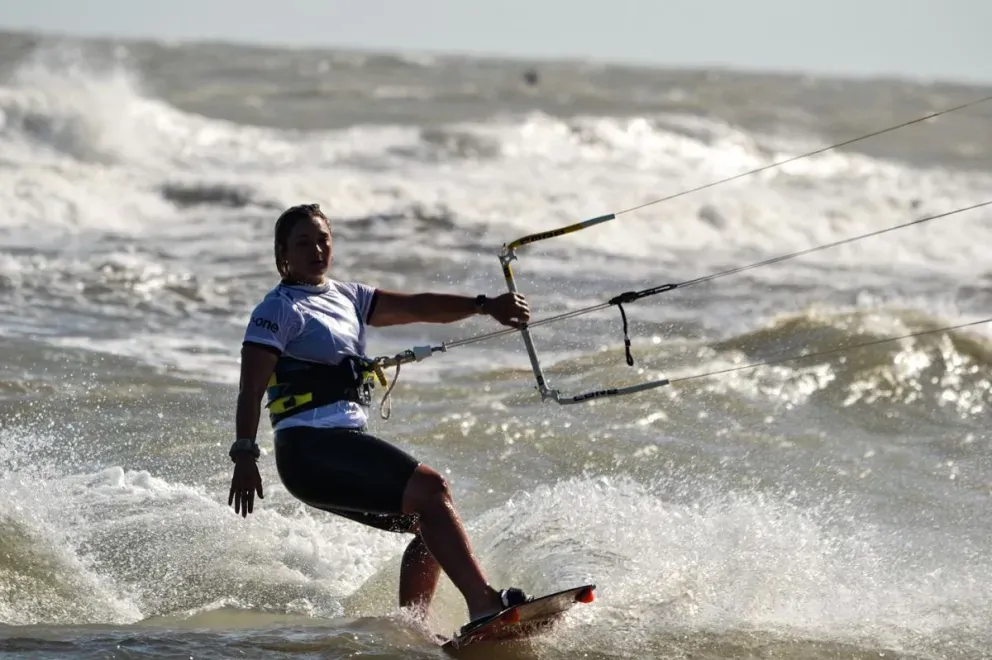
My name is María Florencia Gau, I am 29 years old and I am an Argentine athlete with type 1 diabetes. I live part of the year in Argentina and part of the year in the United States thanks to my work as a mountaineer and ski and snowboard instructor.Yes: I have type 1 diabetes and I do high-performance sports.Although many still find it difficult to believe it. The surprise is usually accompanied by repeated questions: “How can you have diabetes if you are an athlete?” “Won't it be cured if you take better care of yourself?” “But you don't look diabetic…”
These questions reflect a great lack of information, even today.That is why it is important to explain what type 1 diabetes is and how it differs from other types.
What is type 1 diabetes?
Type 1 diabetes mellitus is a chronic disease of autoimmune origin.The immune system itself attacks the beta cells of the pancreas, responsible for producing insulin.As a result, the body stops producing this hormone, which is essential for glucose to enter the cells.
People with type 1 diabetes need insulin for life.It is usually diagnosed in childhood, adolescence or early adulthood, although it can appear at any age.It is not related to diet or lifestyle.
And type 2 diabetes?
Type 2 diabetes is different.In this case, the body produces insulin, but does not use it efficiently, resulting in high blood glucose levels.It is associated with factors such as a sedentary lifestyle, overweight, genetics and age, although it increasingly appears in younger people.
There are other types of diabetes, but understanding this basic difference already helps debunk many myths.
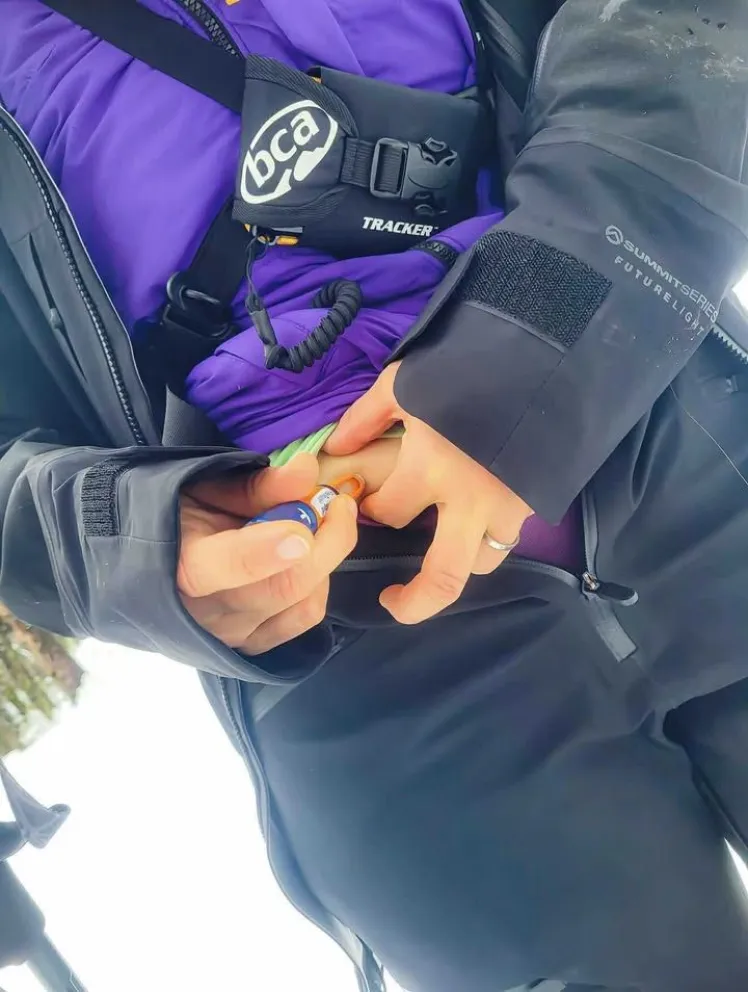
The family also receives the diagnosis
The impact of diabetes is not experienced only by those who receive it.The family goes through a parallel process, especially at the beginning.Guilt, fear and overprotection usually appear.I remember that when I started insulin, my mother needed me to monitor me all the time.time.
It was not from ignorance, but from love.Over time we understood that excessive control can also generate stress and even worsen glucose values.Type 1 diabetes carries real risks: severe hypoglycemia can be fatal, and sustained hyperglycemia affects organs in the long term.But it is also key to learn to trust, let go and accompany without invading.
A condition without days off I recently heard a Canadian athlete with diabetes say a phrase that sums up this reality: “We don't have a day off from diabetes.”
There are no breaks, no breaks, no vacations.And yes, many times I asked myself “why me?”, especially when a glycemic drop slows me down in the middle of a climb or a workout.
However, diabetes also taught me to know my body in a deep way, to listen to signs, to adapt and not to give up.For years I was told that I couldn't be an athlete, a mountaineer or a physical education teacher.Today I live from what I love to do.
Sport: yes or no?
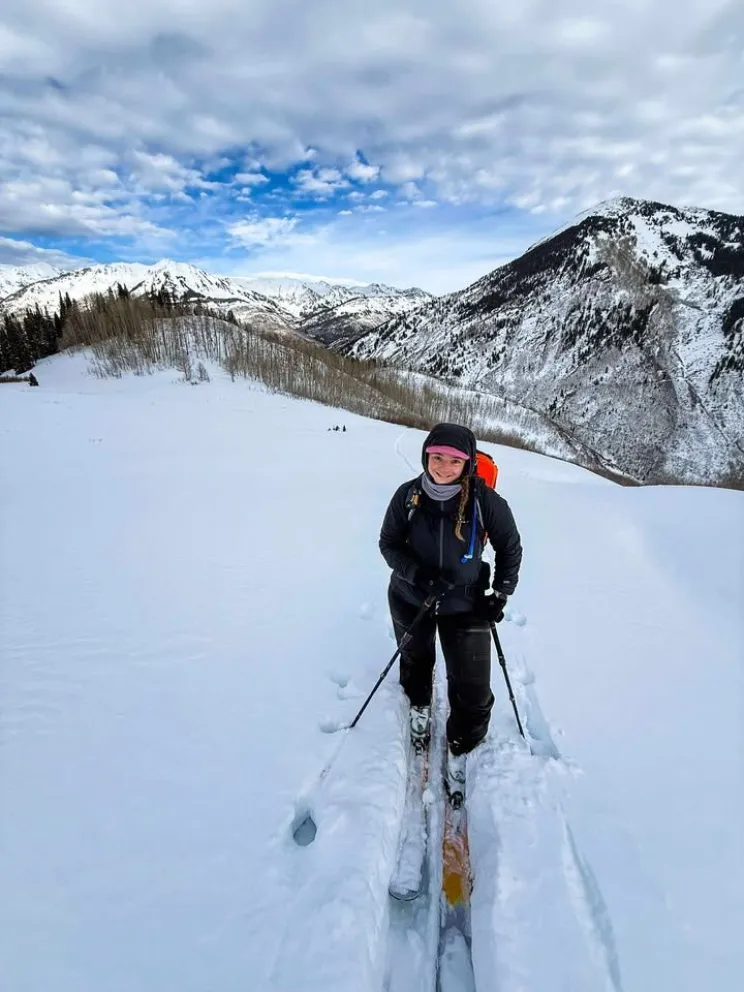
What a difficult question.There are many different opinions. Personally, I believe that sport is one of the best methods to regulate glucose.Not only because it helps stabilize it, but because it also has a huge impact on the head: it reduces stress, anxiety, depression and a lot of other things that can appear when living with diabetes. Beyond this, it is something that I had to deal with a lot.Doing sports without knowledge about glycemia or with inadequate control can lead to hypoglycemia, and as I mentioned before, hypoglycemia can have unpleasant endings. There are many doctors who are against daily physical activity in people with type 1 diabetes. I, on the other hand, believe that what is needed is not to distance ourselves from training, but to have more professionals prepared to accompany us.
By this I mean the need for trainers and health professionals who know what type of exercises to do, how to do them, and what glucose ranges we should be in—or at least have an approximate reference—to train safely.
In my case, I never found a diabetologist or a coach with real knowledge about type 1 diabetes and high-performance sports, neither in Argentina nor in the United States. Therefore, I went through difficult times due to misinterpretations from the professional side and I had to learn many things on my own: how to control my glucose, how to keep it in range for longer or how to raise it quickly to be able to continue walking in the mountains.Everything was literally trial and error. For me, sport is always a huge YES.
In any type of diabetes and in any person, whether or not they have diabetes.
What does a person with type 1 diabetes need?
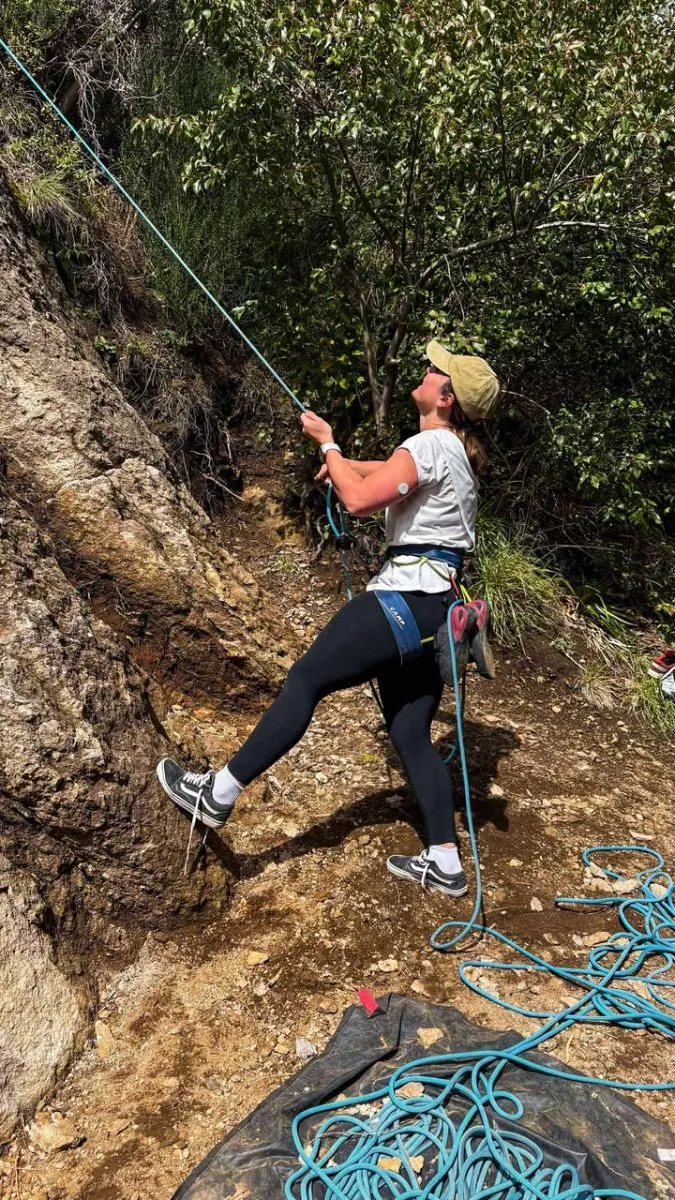
Contrary to what many believe, the needs are not so different from those of any person seeking a healthy life: • balanced diet • physical activity • adequate rest • correct insulin administration • mental health Mental health is key.Stress, anxiety or depression directly impact glucose, often in an uncontrollable way.
Professional support is essential, but also understanding that not all bodies respond the same.
There is no universal formula for type 1 diabetes. Listening to your own body is as important as following medical instructions.
Live, train and continue
After surgeries, hypoglycemia, hyperglycemia and moments of frustration, I am still here. Training, teaching and demonstrating that diabetes does not define the limits. I did not choose this condition, but I do choose what to do with it.Type 1 diabetes cannot be cured, but it does not prevent you from living, dreaming and moving.
Talking about diabetes is also a way to educate, to break down prejudices and to accompany those who are just beginning this path.
FOUNTAIN: Link