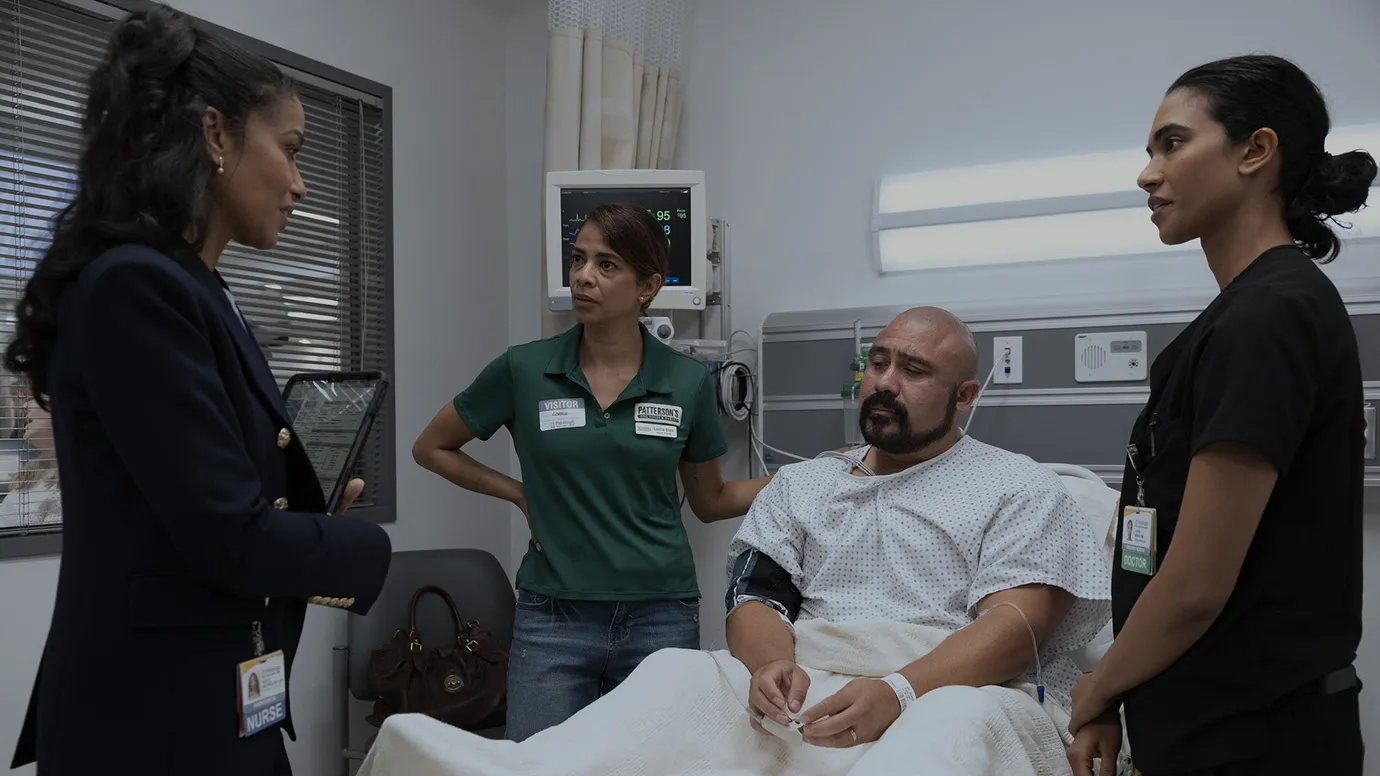
A few days ago I watched the episode of “The Pitt” in which a construction worker, father of five, arrives unconscious at the emergency room with diabetic ketoacidosis.Blood glucose levels above 500 mg/dl, the smell of ketones on the breath, serum, electrolytes, insulin drip... and then the confession that hurts more than any diagnosis: he rations insulin because he can't afford it.
Although the series is set in the United States, the reality it shows is universal in something very specific: fear.The fear of not being able to afford treatment, of having to choose between paying rent or buying insulin, of spacing out test strips because they are too expensive.In the episode, Orlando explains that he and his wife work several jobs, earning too much to qualify for public assistance, but not enough to have health insurance.This “no man's land” is what pushes many people to ration insulin.
Rationing is not a technical word.It is a desperate word.It means using less insulin than prescribed, delaying purchases, skipping glucose checks so the strips last longer.And we know what that implies: lack of control, ketoacidosis, hospitalizations that could be avoided and, in the worst case, irreversible consequences.When we hear that more than a third of people with diabetes have rationed insulin because of cost, we're not talking about numbers, we're talking about lives.
Seeing that scene on television is very moving if you live with diabetes.Because it reminds us of something that we sometimes take for granted: having access to treatment is a privilege that not everyone has.And it also reminds us of the fragility of the system when access to something as basic as insulin depends on the pocketbook.
The series also shows the importance of early detection.Almost half of people with type 1 diabetes present with ketoacidosis.Recognizing signs such as intense thirst, rapid breathing, fruity odor on the breath, vomiting or extreme weakness can make the difference between timely intervention and a vital emergency.Knowledge is protection.
From our forum, this story invites us to two important reflections.The first is to value the importance of access to treatment and always defend it.The second is something we know well here: no one should face diabetes alone.Information saves lives, shared experience guides, and emotional support sustains when everything weighs too much.
Insulin should not be out of reach for anyone.But while the world moves towards more just solutions, we can do something very concrete: inform ourselves, accompany each other and not look the other way.Diabetes is demanding, yes.But when there is a community, the weight is shared.And that, even if it doesn't appear in a series, also saves lives.