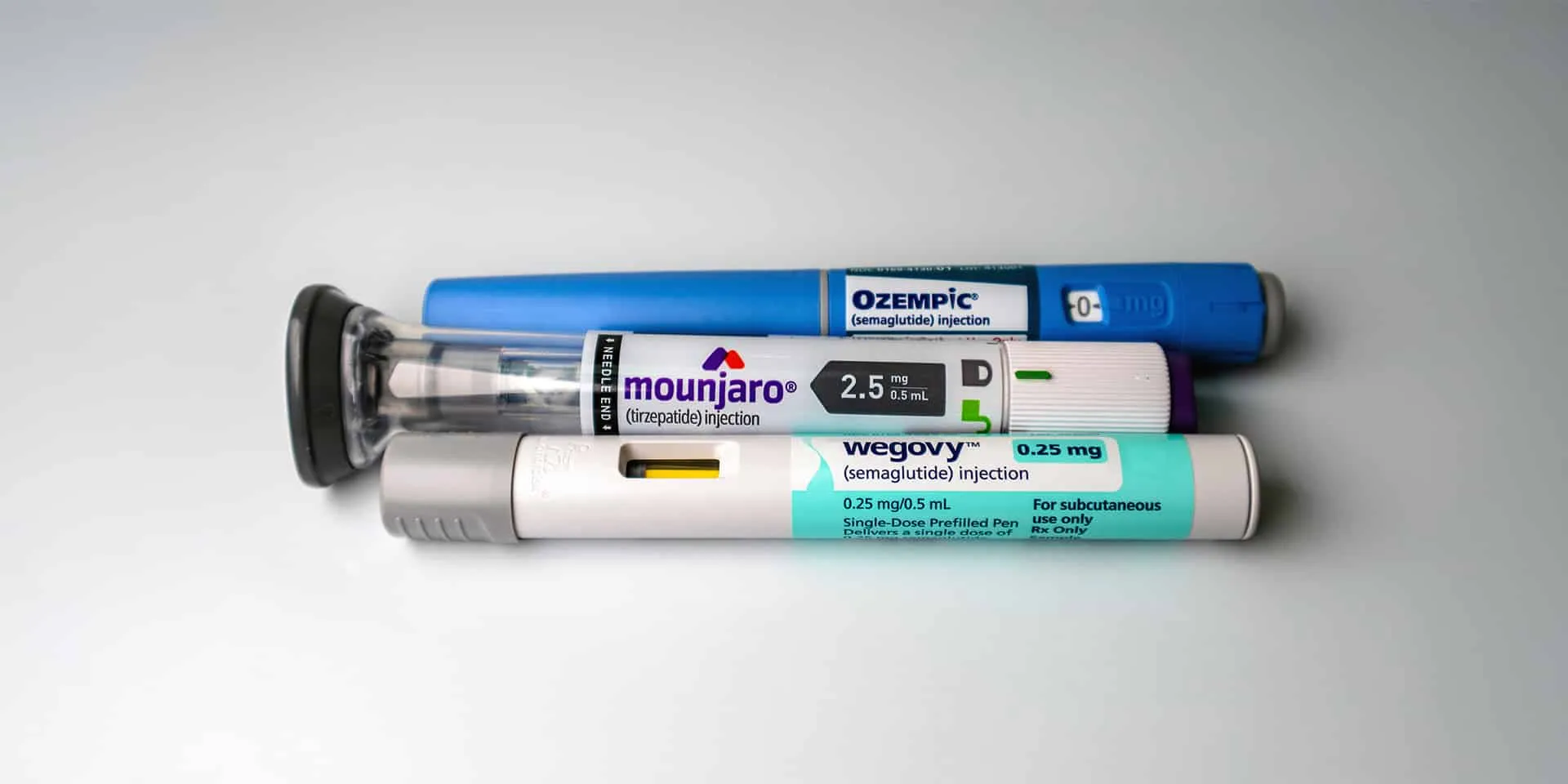
{'en': '“Rebound effect” with new drugs for obesity and diabetes?(Ozempic, Wegovy, Mounjaro)', 'es': '¿“Efecto rebote” con los nuevos fármacos para obesidad y diabetes? (Ozempic, Wegovy, Mounjaro)'} Image

“Rebound effect” with new drugs for obesity and diabetes?(Ozempic, Wegovy, Mounjaro)

  
fer
02/19/2026 9:57 a.m.

In recent years we have seen how medications such asOzempic, Wegovy or MounjaroThey have gained a lot of popularity in Spain.Demand has grown around 40% annually in the last three years, especially in people with obesity and type 2 diabetes.

TheOrganization of Consumers and Users(OCU) has recently warned about what it calls a “rebound effect” after stopping these treatments.And this is where it is worth it, as people with diabetes or family members, to understand well what is happening.


📉 What happens during treatment?

According to an analysis published in theBritish Medical Journal, these drugs produce:

  • An average weight loss of about 14.7 kg at the end of the treatment.
  • Clear improvements in blood glucose.
  • Lowering of blood pressure.
  • Improvement of cholesterol, triglycerides and glycosylated hemoglobin.

I mean, they work.And in many cases they represent a before and after in metabolic control.


🔁 And what happens when they are suspended?

The problem, according to the same analysis, appears when stopping the medication:

  • An average of 9.9 kg is recovered a year after stopping it.
  • By 18 months, it is normal to have regained practically all the weight lost.
  • Metabolic parameters (glucose, cholesterol, etc.) tend to return to previous levels.
  • The estimated rate of weight regain is about 0.8 kg per month.

This does not mean that the treatment is useless, but rather that its physiological effect has a determining weight.When it is removed, the body progressively returns to its starting point.


What does this mean for us as people with diabetes?

First, there are no magic solutions.These drugs can be a very useful tool, especially in people with type 2 diabetes and obesity, but they do not replace long-term work on habits.

Second, any decision about starting or stopping these treatments must always be made in conjunction with the endocrinologist, assessing risks, benefits and realistic expectations.

And third, that the focus should not only be on the number of kilos, but on global and sustainable metabolic health.

The OCU itself insists that behavioral programs (balanced low-calorie diet, regular physical activity and habits maintained over time) offer slower results, but potentially more stable if they are consolidated.


Have you used any of these treatments?

Have you noticed changes when you suspended it?

How do you manage the balance between medication and habits?


As always, sharing real experiences helps a lot to those who are starting or considering this type of treatment.Together we can provide a more complete, realistic and human vision of what it means to live with diabetes.


Diabetes Tipo 1 desde 1.998 | FreeStyle Libre 3 | Ypsomed mylife YpsoPump + CamAPS FX | Sin complicaciones. Miembro del equipo de moderación del foro.

Autor de Vivir con Diabetes: El poder de la comunidad online, parte de los ingresos se destinan a financiar el foro de diabetes y mantener la comunidad online activa.

Sígueme en Instagram

  
Ypso23
07/17/2026 11:22 a.m.

Very good presentation on the topic of Agonists, indeed their use for Medical indications in patients who really need it, has a very positive effect, not only in weight loss, but also in all the biochemical parameters that are the cause of Cardio-metabolic Risk.

Once this is clarified, I would like to clarify that the rebound effect will occur minimally or not at all depending on how the patient became overweight. This point is very important because not every patient became overweight due to overeating and eating inappropriate food.Many cases, I insist on this, occur in very well controlled diabetic patients, adequate food, WC count and very importantly athletes 6 and 7 days a week.Treatment with pens involves the use of Basal insulins and this is where the problem arises, they are insulins that are there for 24 hours and if hypoglycemia appears, it is still there.Basal insulins, if you take a small amount, you spend the day correcting hyperglycemia and if you take just the right amount and do sports, you spend the day taking Glucose.When you gain weight you need more basal insulin and also more rapid insulin and the more insulin the more hiccups and more weight.If the endocrinologist in these cases decides to change to a Pump, the same patient begins to lose weight but this decrease occurs very slowly. If he also decides to use Agonists, the decrease occurs much faster and in these patients there does not have to be a rebound. In any case, it must always be the Specialist together with the patient who makes the decision to administer the treatment.

No signature configured, add it on your user's profile.

Join the Discussion!

To participate in this thread, please register or log in.


💙 Join the power of the community

Choose your store and the book edition. Your purchase helps this forum continue to grow and support people living with diabetes, their families and friends.

💙 No ads. Just real support. Every book counts — it’s more than a purchase, it’s a gesture of solidarity that keeps this community alive.

We’ll auto-select your country if available.
Book edition