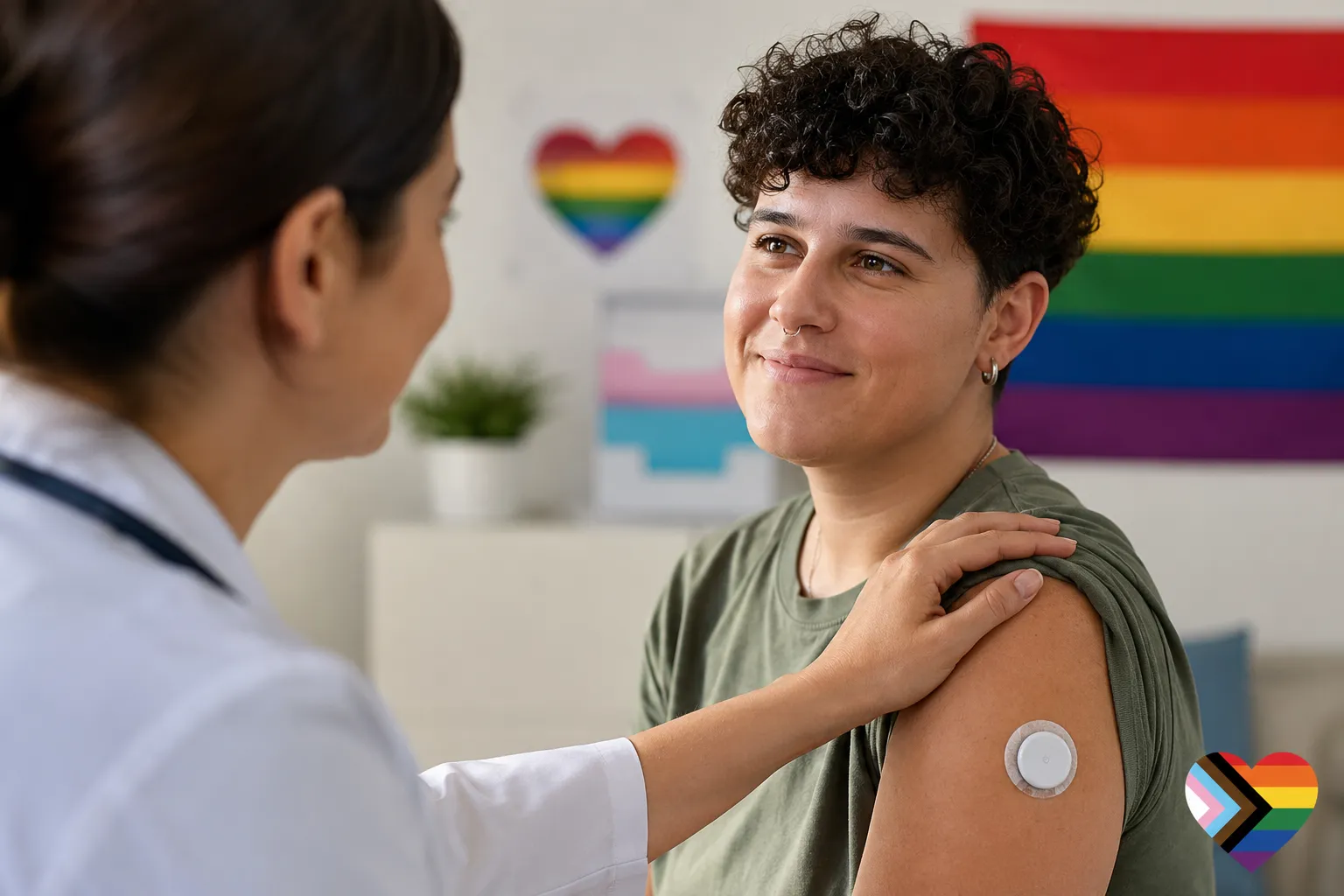

When we talk about diabetes in the forum we usually focus on blood glucose, sensors, insulin pumps, diet or exercise.However, there is another aspect that is equally important for health: feeling listened to, respected and understood when we go to a health professional.
A recent Beyond Type 1 article looks at how certain laws and attitudes towards the LGBTQIA+ community can influence access to proper healthcare and how this also affects people with diabetes.
Diabetes is complicated enough
We all know that living with diabetes involves much more than controlling glucose levels.It requires going to check-ups, trusting doctors and nurses, explaining symptoms, sharing concerns and, on many occasions, talking about very personal aspects of our lives.
Now let's imagine that, in addition to managing diabetes, a person feels afraid of being judged, ignored, or treated differently because of their sexual orientation or gender identity.
According to the data collected in the article, many LGBTQIA+ people claim to have suffered uncomfortable or directly discriminatory situations in healthcare settings, including the incorrect use of their identity, inappropriate comments, or even the refusal to provide certain medical services.
Although many of the examples come from the United States, the underlying message is universal: when a person loses trust in the health system, they are more likely to delay medical visits, avoid check-ups, or not seek help when they need it.
And that, in diabetes, can have important consequences.
The importance of feeling safe
Many of us have experienced the difference between a healthcare professional who really listens and one who simply looks at numbers on a screen.
Trust completely changes the experience.
When a person feels comfortable explaining their personal situation, habits, emotional difficulties, or family circumstances, it is easier to build a realistic and effective treatment plan.
The article highlights that LGBTQIA+ people who perceive an inclusive and respectful healthcare environment show greater satisfaction with the care received and a greater willingness to attend preventive medical check-ups.
This is actually something that benefits anyone with diabetes, regardless of their sexual orientation or gender identity.
We all want to be treated like people, not diagnoses.
The indirect impact on health
Another interesting aspect that the article mentions is how certain factors associated with stress, discrimination or social isolation can affect general health.Among them are higher rates of smoking, depression, anxiety or economic difficulties in some LGBTQIA+ groups.
We know that sustained stress directly influences glycemic control.We also know that mental health has a very close relationship with the ability to manage a chronic illness.
Therefore, when we talk about comprehensive diabetes care, we should not limit ourselves only to insulin or carbohydrates.Emotional well-being, social support and a feeling of belonging are also part of the treatment.
What we can learn as a community
Perhaps the most important reflection is that each person experiences diabetes from very different circumstances.
There are members of the forum who are parents of children with diabetes, others are teenagers, some have been living with the disease for more than 40 years and others have just received the diagnosis.
There are also people with different cultures, beliefs, sexual orientations, gender identities and life experiences.
And that is precisely why communities like this have so much value.
Here we share real experiences.We learn from those who live situations different from ours.We discover problems we may have never considered and find support in difficult times.
Diabetes can make us feel alone at times, but hearing other people's stories reminds us that we are not.
A community where we all add
After almost two decades of history, one of the greatest strengths of Diabetes Forum has always been the diversity of the people who participate.
Each experience provides a different perspective and helps us better understand what it means to live with diabetes on a daily basis.
Empathy, respect and listening are tools as important as any technological advance.Because behind every sensor, every insulin pump or every analysis there is a person who deserves to be treated with dignity and understanding.
And precisely that is one of the ideas that the book "Living with diabetes: The power of the online community" also includes: the importance of having a support network made up of people who understand what we are experiencing and who can accompany us along the way.
Sometimes, the best learning does not come from a medical manual, but from the shared experience of those who face similar challenges every day.
What do you think?
Do you think that health professionals receive enough training to understand the diversity of experiences that exist among people with diabetes?
Have you ever felt that a doctor or healthcare professional didn't really understand your personal situation and how it affected your diabetes management?