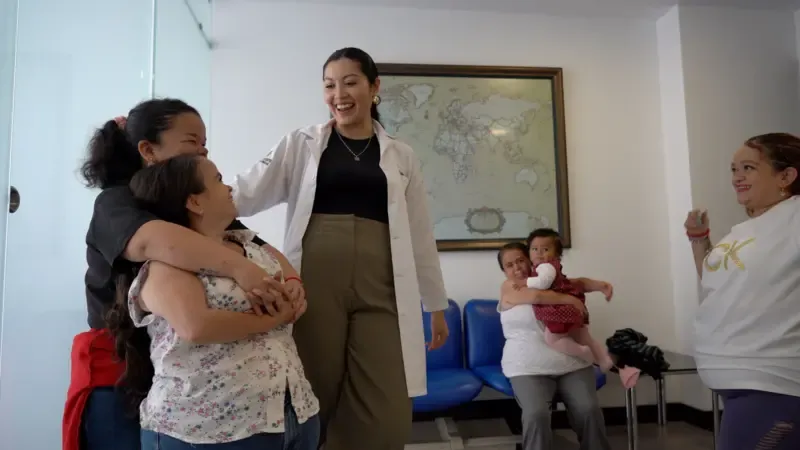
As a person with diabetes, I have found it fascinating to learn the history of people living with Laron syndrome in Ecuador.It is a very rare genetic disease that causes short stature because the body cannot properly use growth hormone.However, what has caught the attention of researchers the most is another fact: in more than 20 years of follow-up, hardly any cases of diabetes have been observed among these people.
This does not mean that there is a "magic protection" much less a cure for diabetes, but it does open a very interesting window for research.Scientists have discovered that the hormonal alterations associated with Laron syndrome could help better understand the mechanisms involved in the development of diseases such as diabetes and some types of cancer.
Beyond the scientific part, the article also reminds us of something important: behind every disease there are real people.Many people with Laron syndrome face social barriers, work difficulties, problems accessing treatments and situations of discrimination that affect their daily lives.
As people with diabetes, we know well what it means to live with a chronic condition that requires constant adaptation.We know how important it is to have reliable information, emotional support and a community that understands daily challenges.That is why it is so inspiring to see how people with Laron syndrome have created support networks among themselves to help each other, share experiences and face difficulties together.
Medical research often advances thanks to stories like these.Sometimes, the study of very rare diseases allows us to discover biological mechanisms that end up benefiting millions of people around the world.Perhaps some of the keys to better preventing or treating diabetes in the future lie precisely in communities like these Ecuadorian families.
Meanwhile, this article leaves us with a valuable reflection: science advances thanks to people who share their experience, participate in studies and help generate knowledge.
And that is something that many of us, who live with diabetes, can deeply identify with.💙