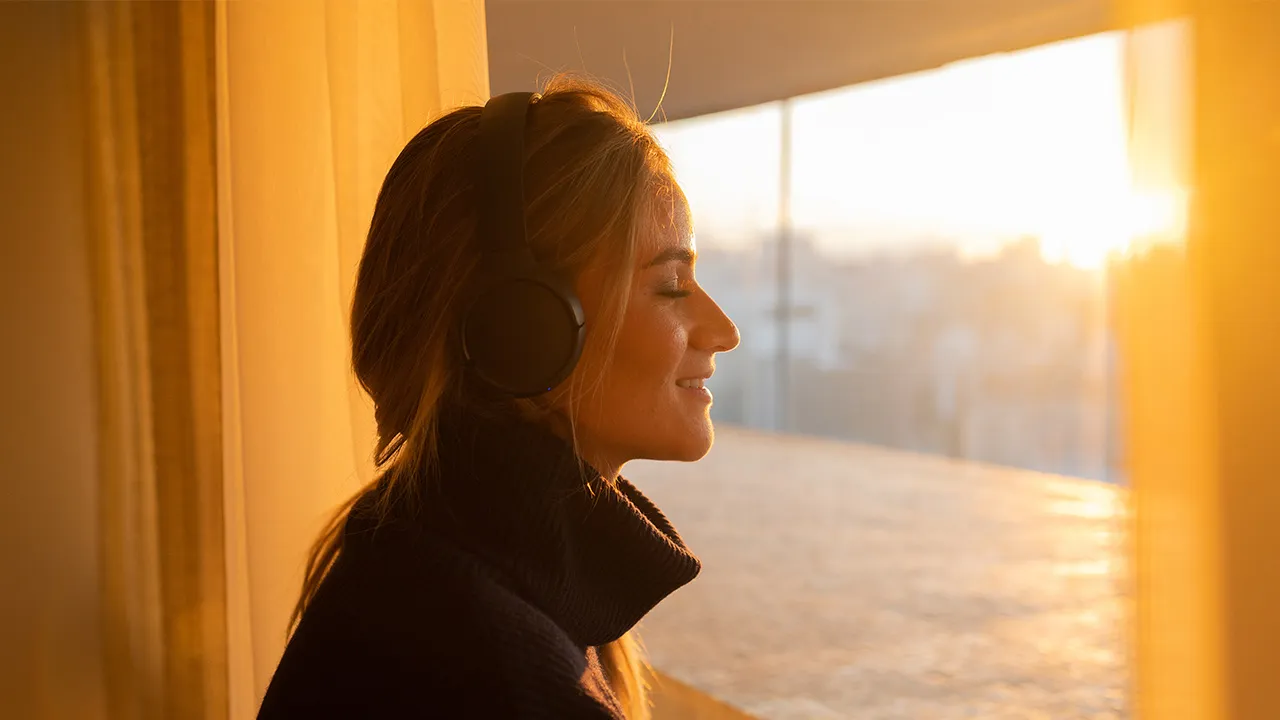

We talk about light... Not the light from the spotlights or the screens, but the natural light, the light of the day, the light that enters through a window and marks our rhythms without us realizing it.
The study, led by researchers from theUniversity of Genevanext to theGeneva University Hospitals, Maastricht University and theGerman Diabetes Center, provides the first direct experimental evidence that exposure to natural light improves metabolic control in people with type 2 diabetes. And it is not a metaphor: glucose, metabolism and even gene expression have been measured.
[[ERROR-TRANS]]Lo que más me ha llamado la atención
The participants—older people with type 2 diabetes—spent several days living in highly controlled conditions.Everything was the same (meals, schedules, activity, sleep...) except for one thing:
👉 in one phase they were exposed to natural light
👉 in the other, only artificial light
The result was clear:
- More time with glucose in range
- Lower glycemic variability
- Better circadian rhythm synchronization
- Improvement in fat metabolism
[[ERROR-TRANS]]Todo ello publicado en una revista científica de primer nivel como Cell Metabolism.
And what does this have to do with our daily lives?
Much more than it seems.We spend almost 90% of our time indoors: homes, offices, hospitals, transportation... and many times with little natural light and too much artificial lighting.This study reinforces something that many of us sense:
🕰️ when our internal clock goes out of adjustment, glucose notices it too.
We are not talking about replacing treatments or magical solutions, but about adding small habits that help:
- Open blinds in the morning
- Have breakfast near a window
- Go outside in daylight, even for a short walk
- Rethink how we live and work in closed spaces
A broader reflection
The article also sends a very powerful message: health is not only taken care of in the medical consultation, but also in how our homes, schools, residences and workplaces are designed.Architecture, lighting and access to natural light can become real allies in the management of diabetes and other metabolic diseases.
And this connects a lot with the spirit of the forum and with something that we always defend here: living with diabetes is not just counting carbohydrates or adjusting doses, it is understanding the complete context in which we live.
I ask you the question:👉 Have you noticed differences in your blood glucose levels depending on whether you spend more or less time outdoors or in natural light?
I would love to read you and share experiences.In the end, science advances, but the community makes it close 💙