People who live with diabetes know what it means to constantly make decisions: what to eat, how much to move, how to adjust insulin, what to do when something doesn't go as expected.Many times we do it with little information, with a simple isolated glucose number obtained with a prick.
A recent study presented at the International Conference on Advanced Technologies and Treatments for Diabetes (ATTD), held these days in Barcelona, once again puts on the table something that many of us already sensed:Having access to continuous glucose monitoring can also make a big difference in people with type 2 diabetes who use basal insulin.
More than 300 people with type 2 diabetes on basal insulin treatment participated in the FreeDM2 clinical trial.For four months, the use of continuous monitoring sensors was compared with the traditional method of finger pricks.The result was clear: those who used continuous monitoring achievedreduce your HbA1c by 0.6% morethan those who used only capillary glucose.
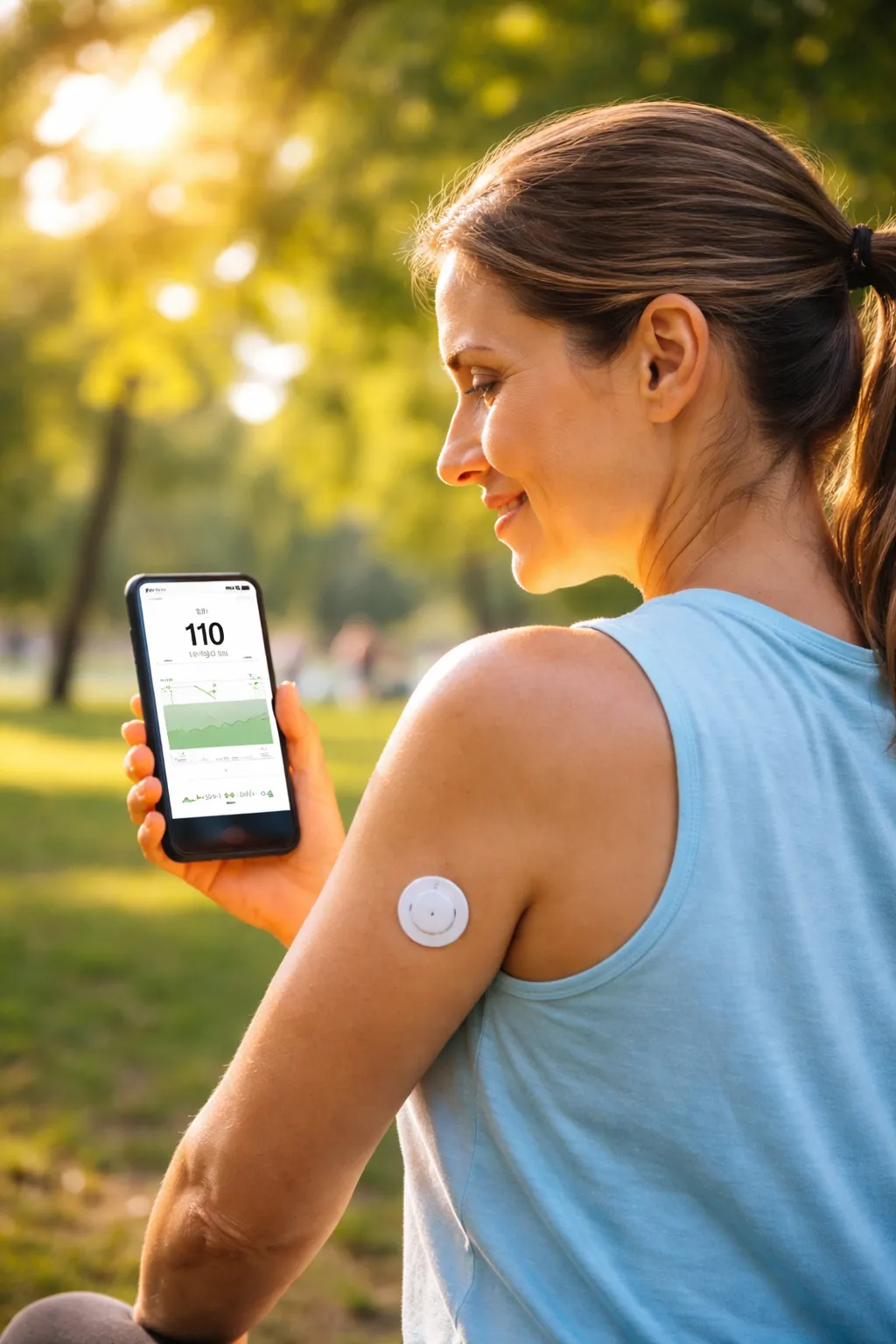
But perhaps the most interesting thing is what happens on a day-to-day basis.People who used sensorsthey spent about 2.5 more hours a day within the healthy glucose range (70-180 mg/dL).This means more time with stable values, fewer unexpected rises, and probably fewer worries.
Something that the study highlights is that the improvements did not come from radical changes in treatment, but from something much more everyday: the ability to make informed decisions.By seeing glucose in real time, participants were able to adjust small things throughout the day: a walk, an insulin correction, a change in food... small actions that, added together, generate a real impact.
Another important aspect is that these benefits were observed even in people who were already using advanced therapies such as SGLT2 inhibitors or GLP-1 agonists.That is, glucose information remains a powerful tool even when treatment is already optimized.
However, there is still a reality that many of us know well: in many European countries, funding for sensors is limited to people with multiple daily insulin doses, leaving out those who use only basal insulin.These types of studies reinforce the idea that many more people could benefit from this technology.
In the end, beyond the numbers or devices, what really changes is the feeling of control.When you can see what's happening with your glucose throughout the day, diabetes stops being something you react to afterwards... and becomes something you can anticipate and manage better.