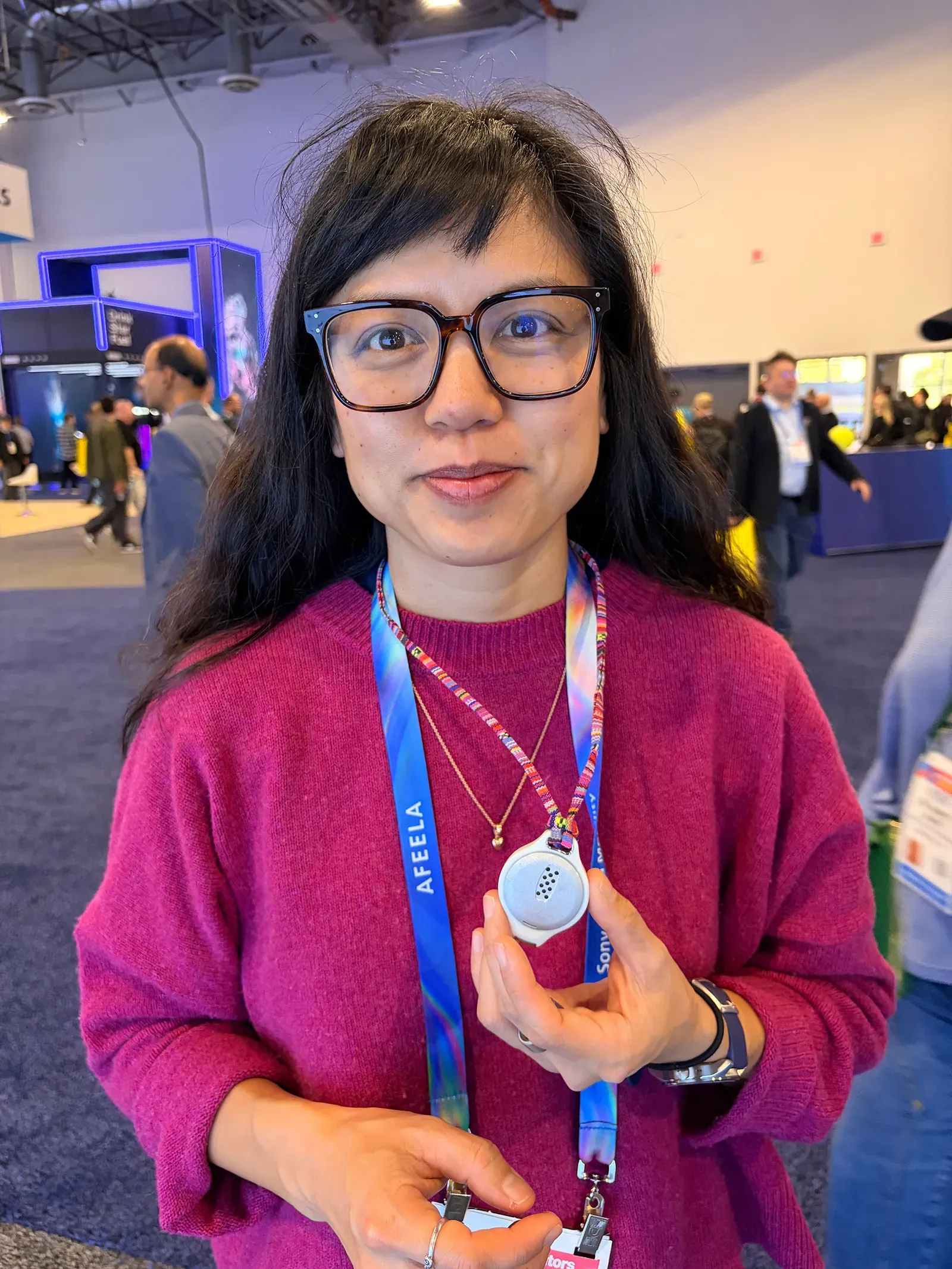

Manufacturers of smartwatches and other wearables have been trying to measure blood glucose without pricking your skin for years.PreEvnt Isaac does just that, and is worn like a necklace.
The wearables industry has solved relatively easy things: step counting, sleep tracking, fitness training.It has also solved more complex problems, such as detecting atrial fibrillation and sleep apnea.While all of this biometric data is useful, continuous blood sugar monitoring non-invasively (i.e., without needles) has been eluded by fitness tracking device manufacturers.
People with diabetes must constantly monitor their blood sugar to prevent it from getting too high and damaging their organs.This is especially difficult for older people and young children, since blood glucose monitoring often requires a blood prick or a continuous glucose monitor (CGM), which is also inserted under the skin.
CGMs have also become very popular among non-diabetics, as the popularity of GLP-1 has skyrocketed.Eating like a diabetic (lots of protein and fiber, and minimal sugar and carbs) is a great way to lose weight.Apple, among other companies, has been trying for years and millions of dollars to introduce a pinhole-free blood glucose meter to the Apple Watch, but the feature hasn't arrived yet.
All of this explains why I could barely believe the PreEvnt Isaac was real when I saw it at CES 2026 in Las Vegas.The Isaac is a small device, about the size of a coin.Instead of optically tracking blood glucose through the skin, it measures volatile organic compounds in your breath to detect biomarkers like acetone, which can correlate with rising blood glucose levels.
It may not be possible to wear it on a ring or smart watch, but a small device that can be worn around your neck or in your bag without having to go to the bathroom to prick your skin is a big step forward in the quality of life for many people.
Upcoming FDA clearance
The Isaac is named after the inventor's grandson, who was diagnosed with type 1 diabetes at age 2.A 2-year-old child does not want to be poked constantly.Bud Wilcox realized that “acetone breath,” that sweet, fruity breath that is a common symptom in diabetics, could be used to check blood sugar events.
PreEvnt and Wilcox presented the concept at CES 2025 (it didn't seem real then either).That same year, the device entered active human clinical trials at Indiana University.The study compares Isaac's performance in controlling blood sugar levels with traditional monitoring, starting with adolescents with type 1 diabetes and then expanding to adults with type 2 diabetes.
The trials are being conducted with a view to regulatory review by the US Food and Drug Administration (FDA) next year.
“This is a de novo application, so we are informing the FDA as we work with it,” explains Fredrick Brooks, director of health technologies at PreEvnt, referring to the FDA's path to commercializing a device while it is still being evaluated."They have been very interested and understanding."
I was able to test the Isaac at CES.It's a small disc with a loop at the top so it can be worn around the neck (a key feature if your market includes young children).When you breathe on it, the device calculates your blood sugar level and records it in the accompanying smartphone app.
The application is still in the final stages of development, but in its current version it allows you to ask emergency contacts for help if necessary.(When PreEvnt demoed it to me, the app included a log so users could write down what they ate on a timeline.
Metabolic tracking has become such a fad that I've started to get a little worried that companies are trying to make us anxious about food.Garmin has just introduced the AI Nutrition feature in its Connect+ subscription plan;Oura's smart ring platform allows you to take photos of your dishes and analyze them with its Meals function;Amazfit's V1tal camera prototype not only records your food, but also how long it takes you to eat it and how much you left on the plate.
In a sea of companies monitoring your food intake and blood sugar for peak performance or weight loss, the Isaac is a nice reminder that these technologies were initially developed to help make a difference in someone's quality of life.I'm an adult and I can barely stand pricking myself;There are many diabetic children whose lives are going to be much easier.
It may not yet be on a premium device you already own, like an Apple Watch or a Garmin, but at least non-invasive blood sugar tracking is on the way.